

 Back to blog
The night sky over Armenia: what to shoot in 2026, and where to shoot it from
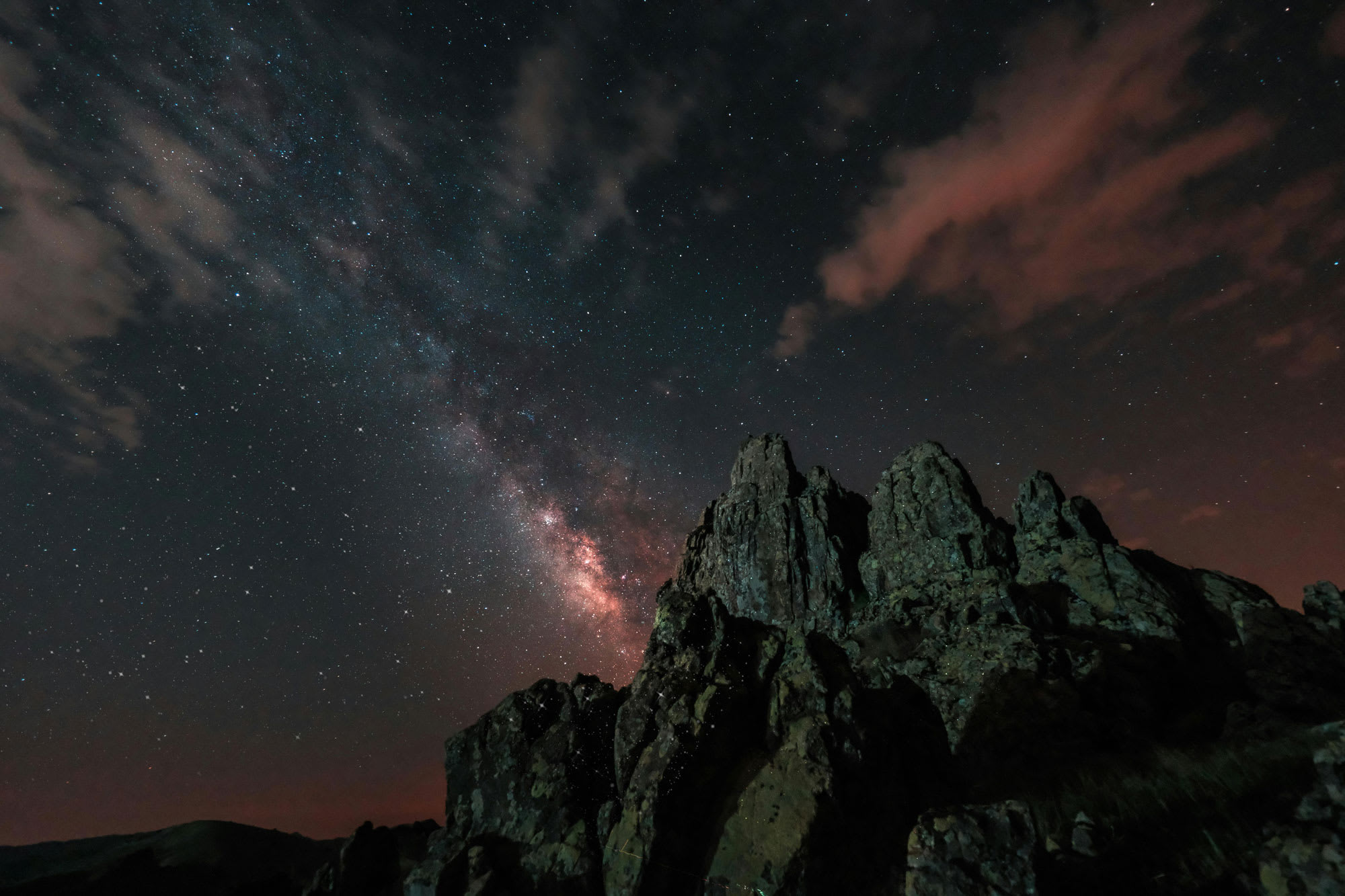
Armenia is one of the easier places in the region to fall in love with the night sky. Drive an hour out of Yerevan, the city glow drops away, and the Milky Way shows up over the ridgelines.
I am a photographer, and the night sky is one of the things that pulled me toward Armenia in the first place. The 2026 calendar is generous, so here is what to plan around, where to point a camera, and the settings to start with.
The events worth planning a night around
These are the moments worth building a night out around this year. The dates are set, but always check what's up tonight over Yerevan and the exact local times for your spot before you drive.
Milky Way core season, now through September
This is the one you do not need to wait for. Through the summer the bright core of the Milky Way rises high in the south after dark and photographs beautifully over open horizons.
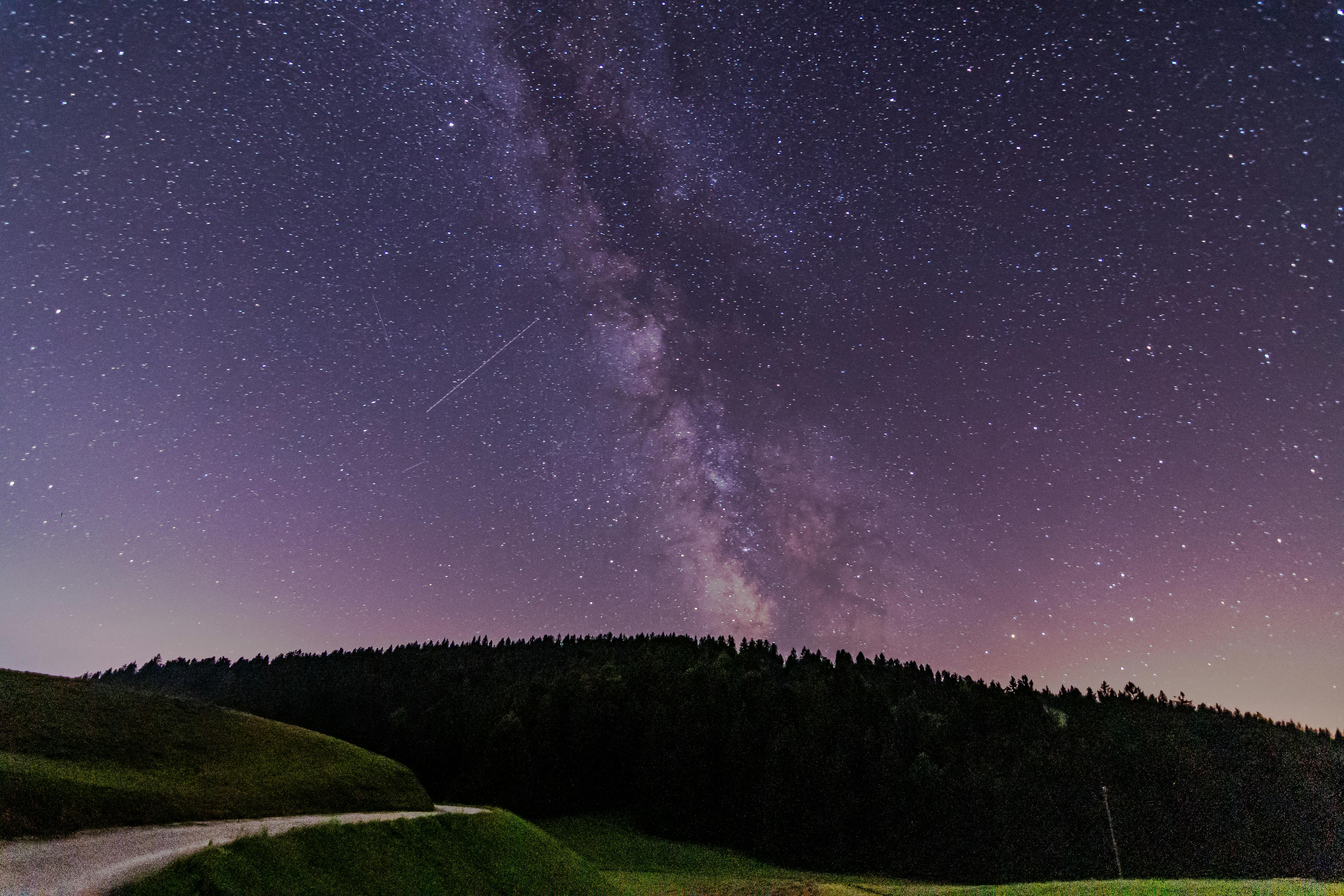
Photo: Andrej Prelesnik / Pexels.
Shoot on a night near the new moon, away from town, and you can catch the whole band of the galaxy in a single wide exposure.
Perseid meteor shower, night of August 12 to 13
The Perseids are the most reliable shower of the year, with up to around 60 meteors an hour at the peak. In 2026 that peak lands on a new moon, so there is no moonlight to wash out the sky.
A total solar eclipse crosses Iceland, Greenland, and Spain the same day, but Armenia is outside the path and the Sun has set here by then. Treat the eclipse as a reason to travel, and treat the Perseids as the event for staying home.
Deep partial lunar eclipse, August 27 to 28
The Moon passes more than 96 percent through Earth's shadow this night. From Armenia you catch the earlier phases low in the west before the Moon sets near dawn, so check the times for your spot.
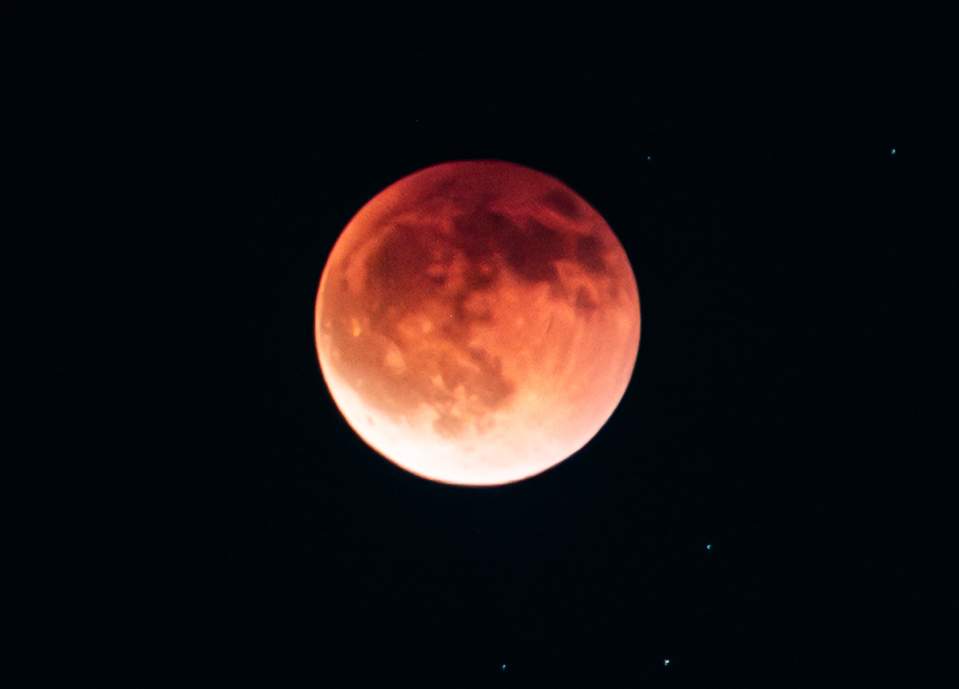
Photo by Shaghik Torosian.
A reddening Moon setting behind a mountain or a monastery is a strong photograph if you plan the alignment in advance.
Saturn at opposition, October 4
Saturn sits opposite the Sun, rises at sunset, and stays up all night at its brightest. The rings have been tilting back open through 2026, so this is the clearest view of them in a few years.
This one rewards a telescope or a long lens more than a wide landscape frame.
Cold supermoon, December 4
December brings the closest and largest full Moon of the year. A bright Moon does little for deep-sky work, but it is made for compositions with a landmark.
Scout an eastern horizon with a recognizable subject and use a long lens to stack the Moon against it.
Geminid meteor shower, night of December 13 to 14
The Geminids are often the richest shower of the year, with bright, slow meteors. The catch is the December cold.
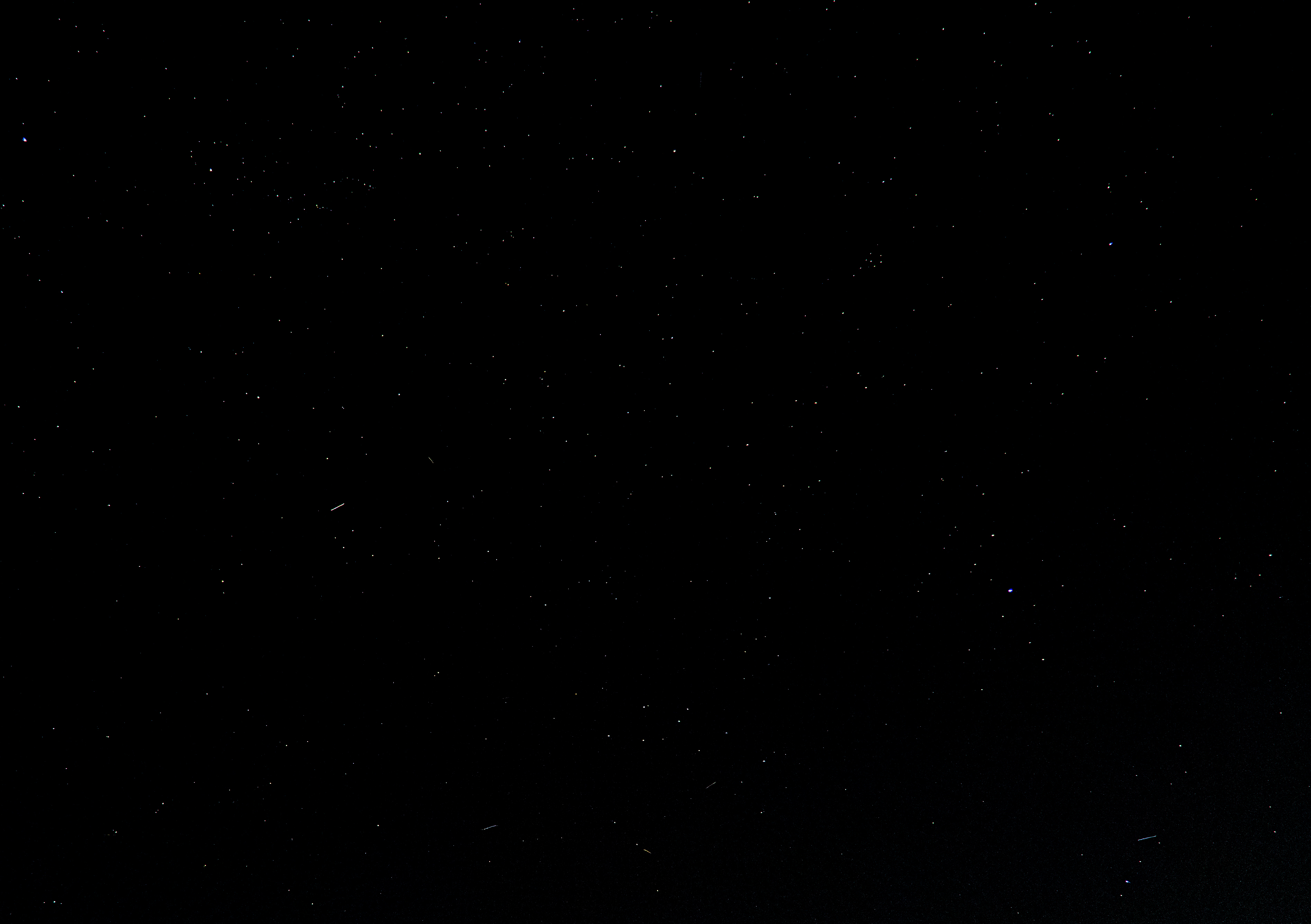
Photo by Shaghik Torosian.
If you head into the mountains, dress for serious winter and bring more battery power than you think you need, because the cold drains it fast.
Where to shoot from
Good dark sky is never far in Armenia. Here are the places I would point a camera, most of them within a short drive of Yerevan.
Mount Aragats
The highest peak in Armenia sits about an hour from Yerevan, with a road that climbs most of the way up. The altitude lifts you above the haze, and the skies near Lake Kari are genuinely dark.
On the lower slopes you also have the Amberd fortress for a dramatic foreground and the Byurakan observatory, which runs evening telescope sessions on clear nights.
Lake Sevan
About two hours east of Yerevan, the eastern and northern shores give you a huge open horizon and water for reflections. The quieter stretches are among the darkest accessible spots in the country.
It is a popular base for watching the summer meteor showers.
Zorats Karer (Karahunj)
These prehistoric standing stones near Sisian are sometimes called the Armenian Stonehenge. Ancient stone under the Milky Way is a hard combination to beat.
The site sits far enough south and high enough to give you clean skies, and National Geographic counts it among the world's top ancient sites for stargazing.
Monasteries and the Ararat skyline
Some of the most distinctly Armenian night images use a monastery or the silhouette of Mount Ararat as the anchor. Khor Virap, with Ararat behind it, is the obvious one.
Noravank and Tatev reward the longer drive, but plan where the Moon or the galactic core will sit relative to the building before you arrive.
The far south and Lake Arpi
If you want the darkest skies in the country, head for the southern provinces or Lake Arpi up in Shirak. These spots are about as far from light pollution as Armenia gets.
The drive is long, so make a night of it rather than a quick trip out and back.
Camera settings to start from
Night work is almost always shot in manual, with manual focus. These are starting points to adjust from, not rules.
| Subject | Aperture | Shutter | ISO | Focus |
|---|---|---|---|---|
| Stars and Milky Way | widest you have (f/1.4 to f/2.8) | up to the 500-rule limit | 1600 to 3200 | manual, on a bright star |
| Meteor showers | widest you have | 15 to 25 seconds, shooting continuously | 1600 to 3200 | manual, at infinity |
| Full or supermoon | f/8 to f/11 | fast, around 1/125 | 100 to 200 | manual, on the Moon |
| Eclipsed (blood) moon | f/4 to f/5.6 | 1 to 4 seconds | 800 to 3200 | manual, on the Moon |
Shoot RAW. You will recover far more shadow and color from the night sky in a RAW file than a JPEG, and white balance becomes something you fix later instead of guess at.
The 500 rule keeps stars as points instead of streaks. Divide 500 by your effective focal length, meaning focal length times your crop factor, and that is roughly the longest exposure in seconds before stars start to trail. A 20mm lens on a full-frame body gives you about 25 seconds, and the same lens on an APS-C body gives you about 16.
Set white balance around 4000K so the sky stays neutral rather than orange, or leave it on auto and correct in RAW. Use a tripod, and trigger the shutter with a remote or the two-second timer so your hand does not shake the frame.
The Moon needs the opposite of star settings because it is bright. For a full Moon the old "looney 11" guide still works, at f/11, ISO 100, and a shutter of 1/100, while a blood moon during an eclipse is much dimmer, so open up and slow down but keep the shutter short enough that the Moon does not blur as it drifts.
A few practical notes
A few small habits make the difference between a wasted drive and a keeper. None of them cost anything.
- Shoot in the days around the new moon for stars and the Milky Way, and save the bright nights for the Moon and landmark compositions.
- Check a light-pollution map and the weather before you drive, because a clear forecast in Yerevan does not always mean clear skies on Aragats.
- Give your eyes twenty minutes to adjust before you decide a sky is not dark enough.
The night sky here is one of Armenia's quiet advantages, and most of it is within a short drive of the capital.
Frameet is a new photographer marketplace built for Armenia. If you are one of the Armenian astrophotographers shooting these skies, you can join as a photographer and share your work with the people looking to book it.